Foundations

The Complete Beginner's Guide to Lacto-Fermentation
Lacto-fermentation is one of the oldest food preservation techniques on Earth — and one of the most accessible. This guide covers everything you need for your first successful batch.
Read Guide →Sauerkraut

How to Make Sauerkraut at Home: Step-by-Step
Sauerkraut requires just two ingredients — cabbage and salt — but the technique makes all the difference.
Read Guide →Kombucha

Kombucha First & Second Fermentation: A Complete Guide
Learn how to brew kombucha from scratch, manage your SCOBY, and nail the second fermentation for perfect carbonation.
Read Guide →Editor's Choice

Best Value
LOVE MOMENT Electric Mason Jar Vacuum Sealer Kit
Home fermenters, pantry organizers, and meal preppers who primarily store food in mason jars and want vacuum-sealed freshness without the bag expense.
View on Amazon →We may earn a commission on qualifying purchases.
From Our Editors
Margaret Holloway
Senior Kitchen Editor
“I've tested vacuum sealers in my own kitchen for three years. The difference between a 75kPa and a 90kPa machine is immediately obvious the first time you seal a marinated protein.”
Daniel Reeves
Fermentation Specialist
“Every product in our fermentation guides has been vetted against one question: would I use this in my own kitchen? If the answer is no, it doesn't make the list.”
Sonya Park
Product Research Analyst
“We cross-reference Amazon sales volume, verified review patterns, and category return rates before any product earns a recommendation on FermentCrush.”
Top Picks
Top-Rated Kitchen Tools
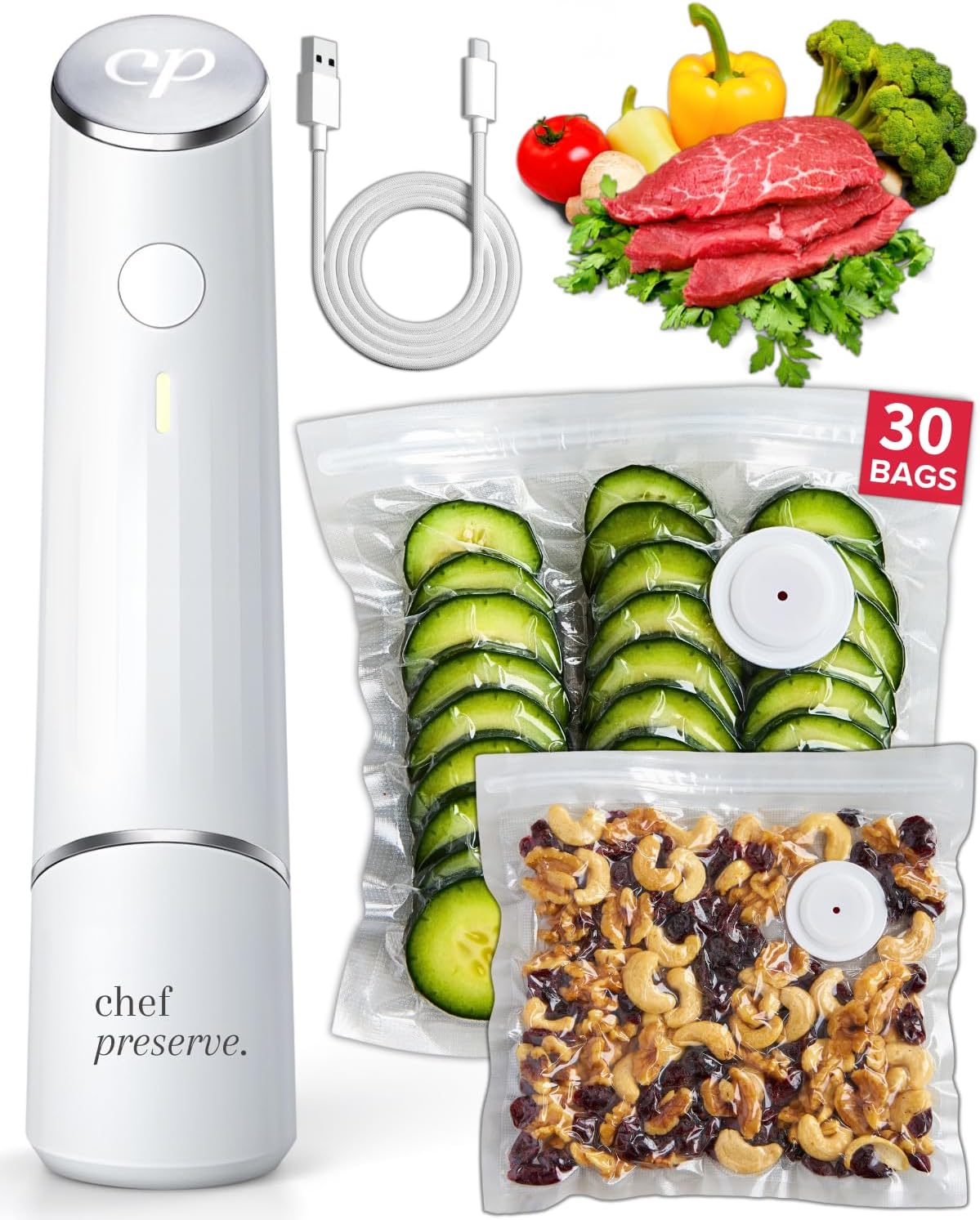


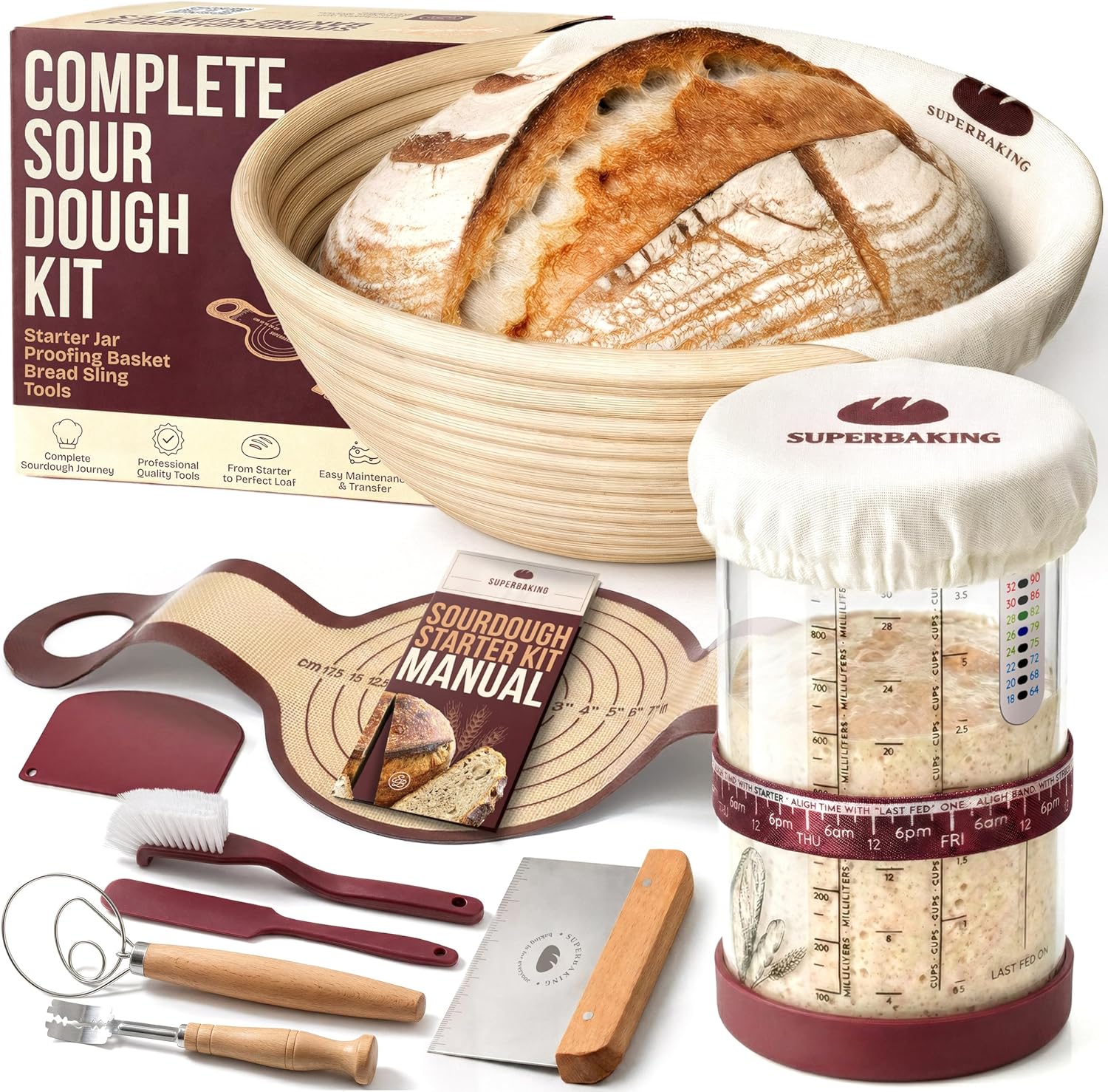
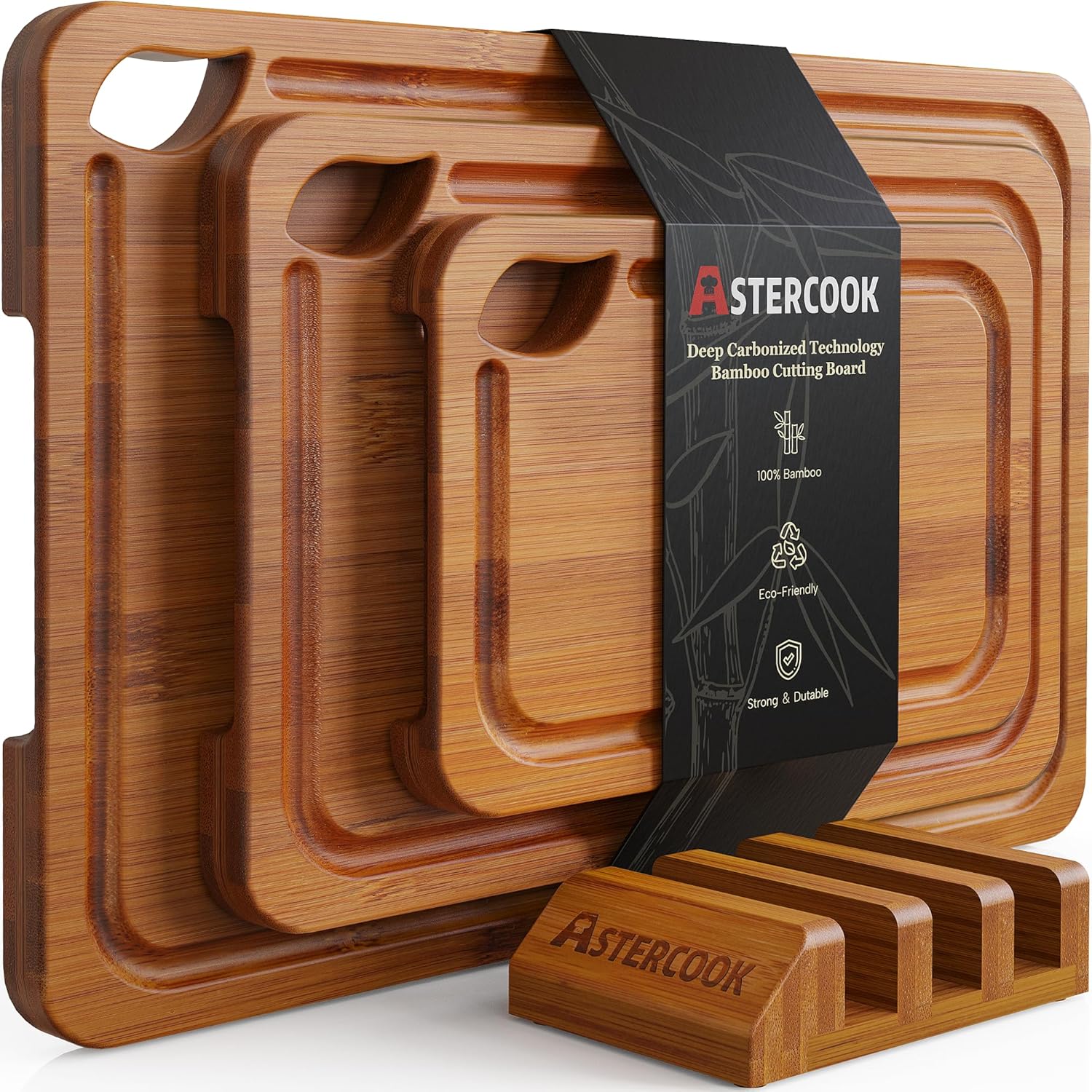

Browse by Category
Vacuum Sealer Machines
Extend freshness up to 5× with the right seal.
Mason Jars & Lids
The most versatile fermentation vessel in any kitchen.
Airtight Food Storage
Keep pantry staples and meal-prep fresh longer.
Digital Thermometers
Precision temperature control for every ferment.
Kitchen Scales
Weigh salt ratios and dough for consistent results.
Sourdough Supplies
Starter kits, bannetons, and scoring tools.
Cutting Boards
Protect your knives and keep prep hygienic.
Mandoline Slicers
Uniform slices for kimchi, pickles, and gratins.
Latest Guides
The Complete Beginner's Guide to Lacto-Fermentation
Lacto-fermentation is one of the oldest food preservation techniques on Earth — and one of the most accessible. This guide covers everything you need for your first successful batch.
How to Make Sauerkraut at Home: Step-by-Step
Sauerkraut requires just two ingredients — cabbage and salt — but the technique makes all the difference. Follow this detailed walkthrough for crisp, tangy, probiotic-rich results.
Kombucha First & Second Fermentation: A Complete Guide
Understanding the two-stage fermentation process is the key to producing kombucha with the right balance of tang, sweetness, and natural carbonation.
How to Build a Sourdough Starter from Scratch in 7 Days
A healthy sourdough starter is the foundation of great bread. This 7-day program walks you through every feeding, every sign of life, and every hiccup along the way.
How to Make Kimchi at Home: A Step-by-Step Guide
Kimchi is Korea's most celebrated fermented dish — spicy, tangy, and packed with probiotics. This guide walks you through every step, from salting the cabbage to the final ferment.
The Home Fermenter's Guide to Troubleshooting
Something went wrong with your ferment? Don't throw it out yet. This guide covers every common problem — from kahm yeast to mushy vegetables — and tells you exactly what to do.
Fermentation Readiness Calculator
Select what you're making and your room temperature — we'll tell you when it's ready.
Fermentation at a Glance
| Ferment | Temp Range | Days Ready | Difficulty |
|---|---|---|---|
| Sauerkraut | 65–75°F | 5–21 days | Beginner |
| Kombucha | 68–78°F | 7–14 days | Intermediate |
| Kefir | 68–78°F | 24–48 hrs | Beginner |
| Kimchi | 65–72°F | 3–21 days | Beginner |
| Sourdough | 70–75°F | 5–7 days | Intermediate |
| Yogurt | 110°F | 6–12 hrs | Beginner |
The Fermentation Lab
Essential terms every home fermenter should know.
Lacto-Fermentation
A preservation process where naturally occurring bacteria convert sugars into lactic acid. It requires no starter cultures — just salt, vegetables, and time.
SCOBY
Symbiotic Culture Of Bacteria and Yeast — the living culture used to brew kombucha. Each batch grows a new "baby" SCOBY that can be used to start fresh batches.
Brine
A saltwater solution that creates the anaerobic environment needed for lacto-fermentation. Standard ratios range from 2% to 3% salt by weight of water.
Anaerobic
Describes an environment without oxygen. Most fermentation works by eliminating oxygen exposure, which prevents harmful mold while allowing beneficial bacteria to thrive.
Probiotics
Live microorganisms found in fermented foods that can benefit gut health. Lactobacillus species are among the most studied and are abundant in lacto-fermented vegetables.
Kahm Yeast
A harmless white film that sometimes forms on the surface of ferments. It looks alarming but is not dangerous — simply skim it off and ensure the vegetables stay submerged.
How We Pick Products
Independent Research
We review each product category by analyzing real user feedback, manufacturer specifications, and category-specific performance criteria. No product pays to be included, in line with guidelines from the USDA National Center for Home Food Preservation.
Sales & Reviews
We prioritize products that demonstrate high purchase volume and sustained positive feedback. If thousands of serious home cooks trust a product, that signal matters in our rankings — consistent with findings published in NIH research on fermented food consumption.
Editorial Standards
FermentCrush operates independently of any advertiser or brand relationship. Affiliate commissions never influence which products appear in our guides or where they rank, following standards outlined by the FTC Endorsement Guidelines.
Our Selection Process
Affiliate Disclosure: FermentCrush participates in the Amazon Associates program and may earn a commission on qualifying purchases at no additional cost to you.